
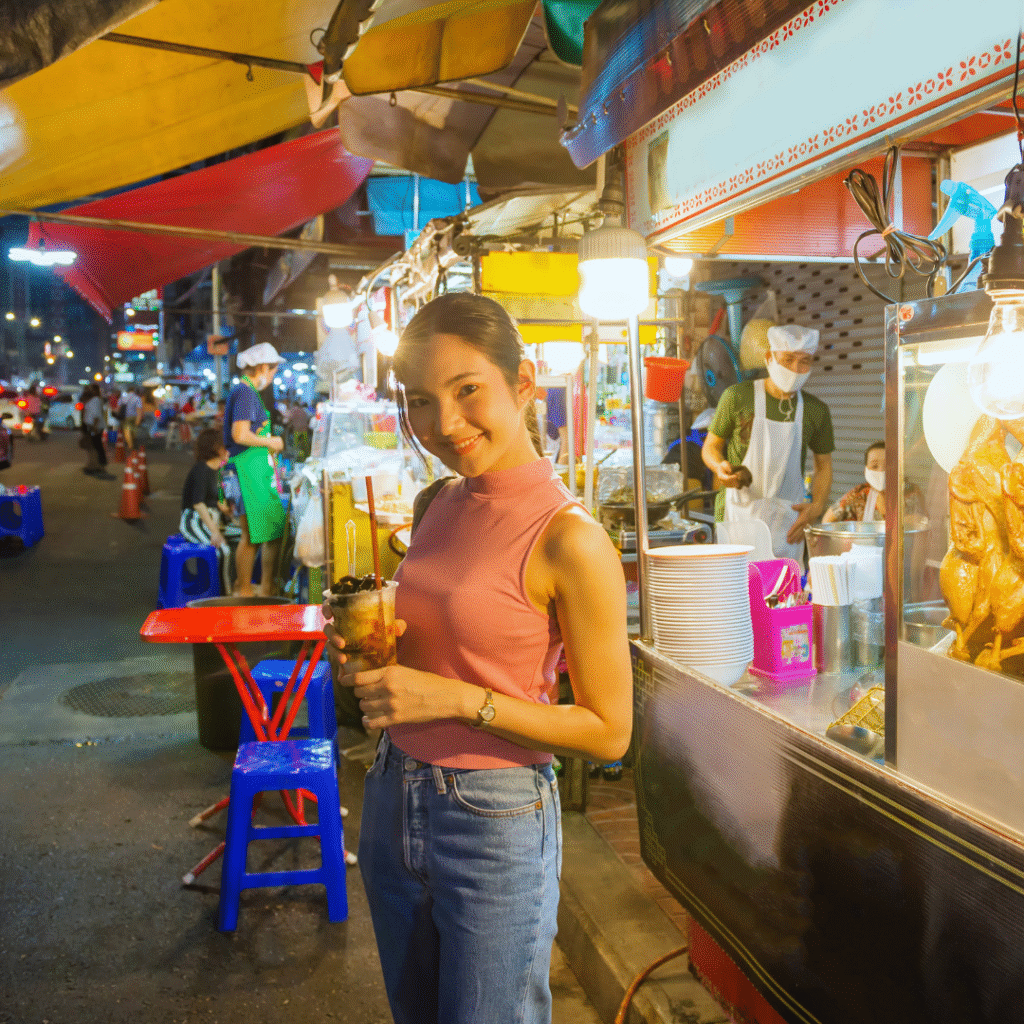
Southeast Asia is renowned for its vibrant night markets, which serve as bustling hubs of culture, cuisine, and unique products. Exploring these night markets offers an unforgettable experience, showcasing local delicacies, handmade crafts, and the lively atmosphere that defines this region. Each market presents its own charm, from the fragrant food stalls of Thailand to the handcrafted goods of Vietnam, inviting visitors to dive into the local way of life.
As the sun sets, these markets come alive, drawing both locals and tourists alike. The enticing aromas of street food wafting through the air create a feast for the senses, while live music and colourful lights enhance the allure. Sampling the variety of dishes available, such as satay skewers or mango sticky rice, becomes a highlight for many.
Each night market tells a story and offers a glimpse into everyday life, making them essential stops for anyone travelling in Southeast Asia. By navigating through these vibrant spaces, visitors not only satisfy their appetite for delicious food but also discover the rich cultural tapestry that the region has to offer.
Top Night Markets in Southeast Asia
Southeast Asia is home to vibrant night markets offering unique shopping experiences and local cuisine. These bustling hubs are perfect for sightseeing, purchasing souvenirs, and enjoying the lively atmosphere.
Chiang Mai Night Bazaar
The Chiang Mai Night Bazaar is a staple for visitors seeking authentic Thai products and handicrafts. Open every evening, this sprawling market features a mix of local artisans and stalls selling textiles, ceramics, and woodcrafts.
Food stalls are abundant, with offerings ranging from street noodles to seasonal fruits. The lively atmosphere is enhanced by street performers and live music, making it an ideal location for both shopping and entertainment.
Visitors can also find souvenir shops selling traditional Thai items like lacquerware and silver jewellery. The market’s vibrant energy attracts both locals and tourists, ensuring a memorable experience each night.
Petaling Street Market, Kuala Lumpur
Petaling Street Market, known as Kuala Lumpur’s Chinatown, is a bustling hub filled with stalls offering a variety of goods. Visitors can explore shopfronts featuring clothing, accessories, and electronics, all at bargain prices.
The market truly shines in its culinary offerings. Street food vendors tempt with delicacies such as char kway teow, satay, and fresh fruit juices. The mix of scents from sizzling dishes creates an enticing atmosphere.
Nighttime is the best time to visit, as the market comes alive with lights and crowds. Shoppers can also enjoy a glimpse of local culture while exploring the many souvenir shops lining the streets.
Chatuchak Friday Night Market, Bangkok
The Chatuchak Friday Night Market is a must-visit for those wanting a unique shopping experience in Bangkok. Open on Friday evenings, this market offers a more relaxed vibe compared to the busy weekend daytime market.
Visitors can browse through a range of goods, including unique crafts, vintage clothing, and local art. The market is known for its hidden treasures, appealing to those seeking something special.
Food stalls abound, with options like grilled meats, spicy salads, and sweet desserts. The inviting atmosphere makes it an excellent spot for leisurely exploration and enjoying local flavours.
Siem Reap Night Market
The Siem Reap Night Market provides a charming setting for those visiting Cambodia. Open daily, this market offers a variety of handicrafts, artwork, and souvenirs reflecting the region’s rich culture.
Local artisans sell handmade products such as silk scarves, carvings, and traditional Khmer items. Shoppers can engage with vendors, often learning about the crafts’ significance and production.
Food options at the market range from Khmer classics to international cuisine. The vibrant ambience attracts both tourists and locals, creating an engaging social atmosphere perfect for evening strolls and culinary exploration.
Street Food and Culinary Delights
Street food in Southeast Asia offers an authentic taste of local cultures through diverse culinary experiences. Renowned for its vibrant flavours and unique offerings, this food scene is an essential part of any visit.
Regional Street Food Specialties
Southeast Asia is home to a myriad of regional street food specialities. Each country showcases its culinary heritage through local dishes.
- Thailand is famous for Pad Thai, a stir-fried noodle dish featuring shrimp or chicken, eggs, and peanuts, often served with lime.
- Vietnam excels with Bánh Mì, a crusty baguette filled with meats, pickled vegetables, and herbs.
- Malaysia offers Nasi Lemak, a fragrant rice dish cooked in coconut milk, typically served with sambal, fried anchovies, and boiled eggs.
These dishes provide a true sense of place, allowing visitors to enjoy authentic flavours that may vary even within a single country.
Must-Try Dishes: Sticky Rice and More
Sticky rice is a beloved staple across the region, valued for its versatility and texture. In Thailand, Sticky Rice with Mango is a popular dessert combining sweet coconut milk with ripe mango slices.
In Laos, sticky rice is often served with grilled meats and spicy dipping sauces, enhancing the meal’s savoury use.
In addition to sticky rice, other must-try dishes include Pho in Vietnam, a fragrant noodle soup; Satay in Indonesia, comprising skewered and grilled meats served with peanut sauce; and Roti in Malaysia, a flaky flatbread that can be filled with sweet or savoury ingredients.
Food Stalls and Local Vendors
Food stalls and local vendors form the backbone of Southeast Asia’s street food scene. Typically set up in bustling markets or along busy streets, these stalls attract visitors with their enticing aromas and vibrant displays.
Many of these vendors are family-run, passed down through generations, ensuring recipes are authentic and time-honoured.
Key stalls often specialise in specific dishes, allowing customers to sample the best offerings. Eating at these stalls not only provides a delicious meal but also an insight into local culture. The atmosphere is lively and engaging, with vendors frequently ready to share their stories and culinary secrets.
A visit to these food stalls delivers a comprehensive culinary adventure rich in flavours and traditions that define the region.
Shopping and Local Handicrafts
Night markets in Southeast Asia provide a vibrant scene for shopping and discovering local handicrafts. These markets showcase the rich artistic heritage of each region, offering unique items that reflect cultural traditions.
Handicrafts and Traditional Arts
Handicrafts in night markets often feature techniques passed down through generations. Visitors can find products like batik textiles from Indonesia, showcasing intricate designs.
Traditional crafts include Thai silk, known for its quality and sheen, and woven baskets from the Philippines. Each piece tells a story, reflecting the local culture and craftsmanship.
Artisans frequently create ceramics and wood carvings, perfect for collectors. Engaging with artists may provide insight into the creation process, making the shopping experience even more rewarding.
Souvenir Shops and Artisan Goods
Souvenir shops in night markets offer a wide variety of artisan goods. Shoppers often seek locally made items to take home as mementoes.
Local snacks, like dried fruit or unique spices, serve as edible souvenirs. They allow visitors to relish their experience long after returning home.
Many markets feature handmade jewellery and decorative items. These crafts often utilise local materials, ensuring that buyers take home a piece of the region.
Some markets even hold workshops where visitors can create their own souvenirs, fostering a deeper connection with the local culture. This interactive experience makes the shopping process memorable and enjoyable.
Atmosphere and Entertainment
Night markets in Southeast Asia are vibrant hubs that offer more than just shopping. They are alive with cultural expressions and engaging performances, enriching the visitor’s experience and immersing them in local traditions.
Live Music and Cultural Performances
Many night markets host live music acts that enhance the lively atmosphere. Genres can range from traditional folk tunes to contemporary pop, creating a joyful backdrop for visitors. Musicians often perform using local instruments, showcasing the region’s rich musical heritage.
Cultural performances, such as dance shows or theatre, frequently take place, allowing attendees to witness the stories and customs of various communities. These events often encourage audience participation, adding to the interactive experience. Additionally, scheduled performances frequently draw crowds, making it essential for visitors to arrive early to secure a good spot.
Night Market Ambience
The ambience of night markets is characterised by colourful stalls, vibrant lights, and delicious aromas wafting through the air. Vendors set up their displays, inviting customers to sample an array of street food, including grilled meats, fresh fruits, and sweet desserts.
Lighting plays a significant role, as strings of fairy lights and lanterns illuminate the busy pathways. This creates a warm, inviting atmosphere, perfect for leisurely strolls. The rich sounds of chatter, laughter, and music contribute to the lively environment, making each visit a sensory adventure. Those exploring will find an energetic yet welcoming vibe that captures the essence of local culture.