
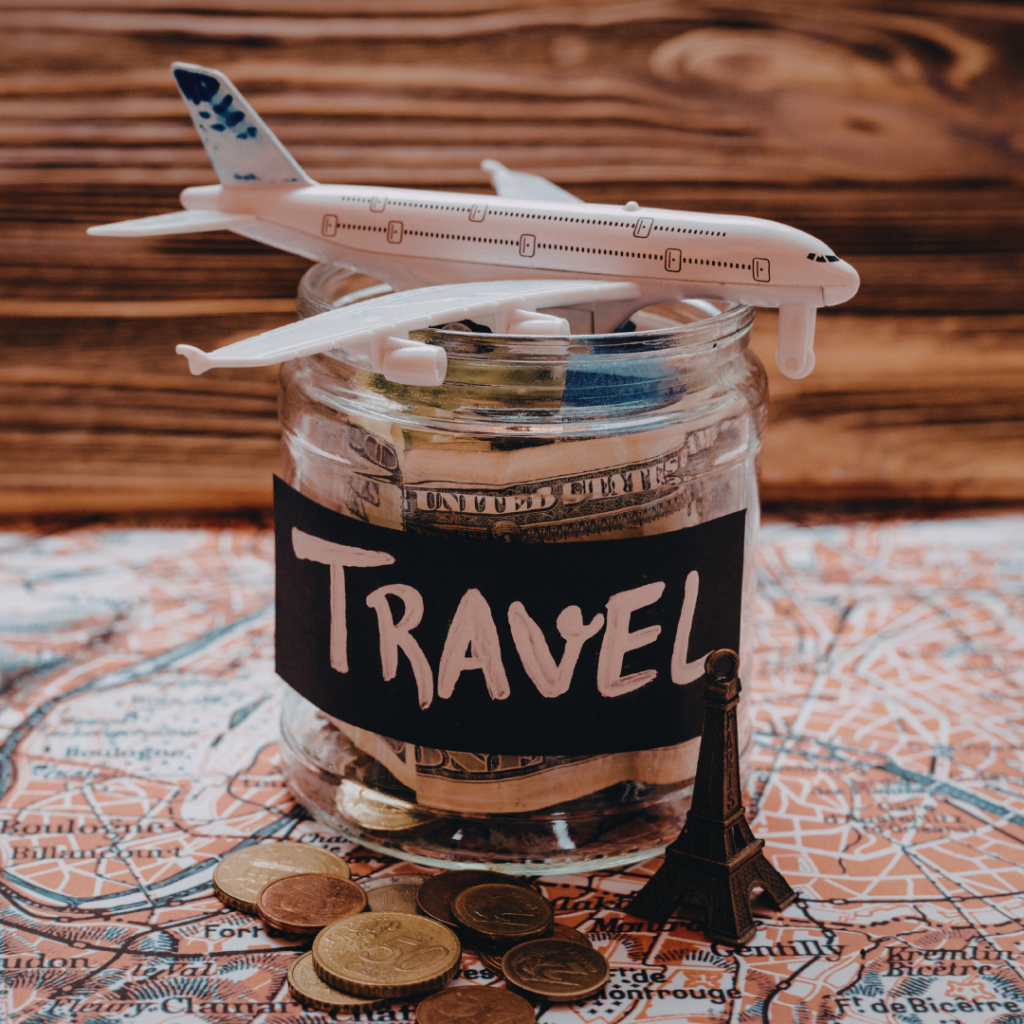
They want practical steps that turn travel ideas into affordable trips, and this post lays out a clear process for planning budget travel from start to finish. They will learn how to set a realistic budget, prioritise destinations and activities, and use simple tools to cut costs without sacrificing experience.
Expect concise guidance on organising trip planning into manageable tasks, picking the best booking windows, and applying travel tips that stretch every dollar. The article then walks through essential strategies and tools to make smart, confident choices and keep inspiration alive while staying on budget.
Step-by-Step Budget Travel Planning
They plan expenses, choose destinations that stretch funds, book cheap transport, and cut lodging costs. Practical tools and specific tactics keep spending visible and decisions cheap without ruining experiences.
Set and Track a Realistic Travel Budget
They start by listing fixed and variable costs: flights, accommodation, visas, travel insurance, local transport, food, attractions, and a 10–20% contingency for emergencies. Assign dollar amounts per category using past receipts or destination-specific research to build a realistic travel budget.
Use apps to track spending daily. Trail Wallet, TravelSpend, and Splitwise let them log expenses, set per-day limits, and split group costs. Enter purchases immediately and review weekly to avoid surprises.
They convert costs into per-day targets and monitor remaining budget versus days left. Export or screenshot weekly summaries before major purchases so they can decide whether to cut an activity or downgrade lodging.
Choose Budget-Friendly Destinations and Timing
They compare countries and cities by cost of living and seasonal demand. Look for budget-friendly destinations and hidden gems where accommodation and food run cheaper than top-tier tourist spots.
Travel in shoulder seasons for lower prices and fewer crowds. Use historic price data and flexible-date searches to identify the cheapest months. Consider alternative airports to save on airfare and use local low-cost carriers where safe and reliable.
They prioritise destinations with low transportation costs and many free outdoor adventure options—hiking, beaches, parks—so daily outlays stay small. Check visa fees, currency exchange, and local safety before deciding.
Find and Book Cheap Flights and Transportation
They search multiple engines: Google Flights for date grids, Skyscanner for “whole month” and “everywhere” searches, and set price alerts. Combine tools to compare routes and catch sale windows.
They consider budget airlines and factor baggage fees into the total fare. Always check alternative airports and multi-city or open-jaw itineraries to lower costs. Use Rome2rio to compare ground options and realistic connections.
Book when a clear low-price trend appears, and keep cancellations or change fees in mind. For local transport, they favour buses, regional trains, and shared rides when safe. Reserve long-distance buses or trains in advance for cheaper fares.
Save on Accommodation
They research multiple platforms: Booking.com for hotels and guesthouses, Airbnb for apartments, Hostelworld for hostels, and Couchsurfing for free stays where appropriate. Compare nightly rates plus cleaning and service fees to get true accommodation costs.
They mix lodging types: few nights in private rooms, some hostel dorms, and occasional housesit assignments to lower the average. Use filters for free cancellation and read recent reviews focusing on cleanliness and location near public transport.
They reduce costs further by booking longer stays for weekly discounts, using kitchen access to cook meals, and considering alternative options like house sitters or short-term work exchanges. Always confirm payment policies and any hidden charges before finalising a reservation.
Essential Strategies and Tools for Smart Budget Travel
Smart budget travel combines low daily costs, reward optimisation, and basic financial safeguards. Practical tactics include stretching food and activity budgets, maximising points and fee-free currency tools, and using insurance and secure payment habits.
Cut Daily Travel Costs on Food and Activities
They should prioritise street food and local markets over sit-down restaurants for cheaper, authentic meals. Seek vendor recommendations from travel apps and local blogs, and eat where locals queue; this lowers cost and raises food quality.
For activities, they can book must-see attractions with timed-entry tickets online to avoid costly guided tours. Use city tourist cards only if they plan multiple paid entries in a short span; otherwise, buy single tickets or free walking tours. Balance paid attractions with low-cost options like public parks, neighbourhood walks, and museum free days.
They should set a daily cash limit and track spending with a simple app or spreadsheet. Splitting meals and sharing transport cuts per-person costs. Small behaviour changes—shopping at markets for picnic supplies, skipping the in-room minibar, and taking public ferries—add up fast.
Leverage Rewards, Points, and Currency Tools
They should use credit card points and loyalty programs strategically: pick a rewards card with strong travel categories and no foreign transaction fees. Transferable points (e.g., airline or flexible points) offer the most value for flights and hotels. Apply for signup bonuses only if they can meet minimum spends without overspending.
Use travel apps to combine offers: aggregator apps for flights and hotels, and wallet apps to monitor points balances. Pay with cards that waive foreign transaction fees; carry a small backup card and some cash in local currency for markets and street food vendors that don’t accept cards.
For currency, check live XE currency rates before exchanging money. Use local ATMs for better mid-market rates but withdraw larger amounts less frequently to minimise ATM fees. Track rewards redemptions and combine hotel loyalty stays with points top-ups to reduce nightly costs.
Stay Safe and Avoid Common Financial Pitfalls
They should buy travel insurance that covers medical emergencies and trip interruption, especially for longer trips or adventure activities. Verify policy details: emergency evacuation, cancel-for-any-reason add-ons, and coverage limits matter more than price alone.
Avoid high foreign transaction and dynamic currency conversion fees by declining DCC and using fee-free cards. Keep digitised copies of passports, insurance, and credit card numbers in a secure app. Notify banks about travel dates to prevent fraud blocks, but use PIN-enabled cards and two-factor authentication where possible.
They must keep emergency cash separate from daily wallets and use hotel safes when available. Review local ATM safety and card skimming reports before withdrawing. Regularly check account activity via banking apps to spot unauthorised charges early.