
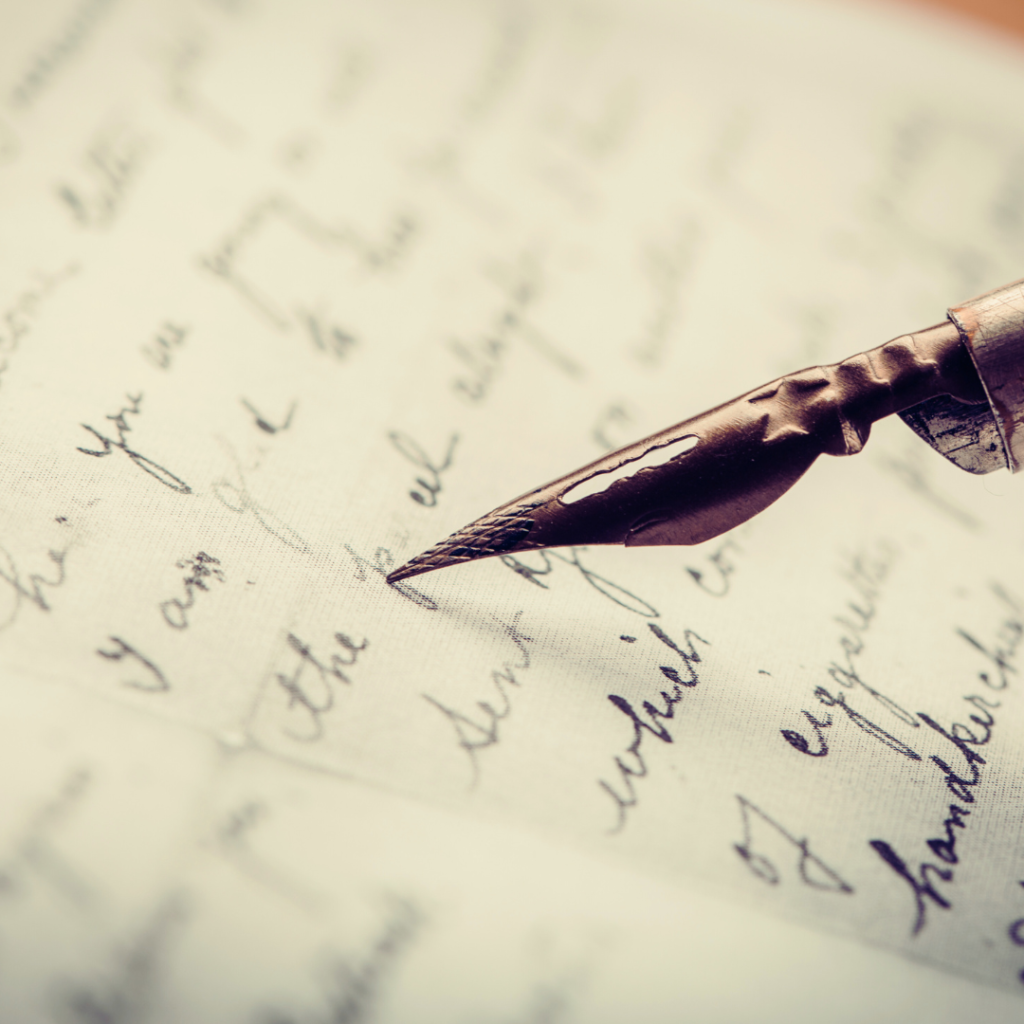
You want paper that helps your strokes glide, keeps ink from feathering, and makes practice feel productive. The best paper for calligraphy practice is smooth, bleed-resistant, and affordable enough to use often, so you can focus on form, pressure, and consistency without fighting the page.
They will explain which qualities matter most—smoothness, weight, and sizing—and compare trusted brands that suit different inks and nibs. This guide shows practical choices so you can pick the right paper and improve your calligraphy with confidence.
Essential Qualities of the Best Paper for Calligraphy Practice
The ideal practice sheet balances surface feel, ink handling, and durability so strokes remain crisp and predictable. Choose papers that prevent feathering and bleeding, support nibs and markers, and resist curling or tearing during frequent practice.
Smoothness and Ink Flow
Smoothness determines nib glide and line consistency. Calligraphers favour papers with a fine, closed surface—such as high-quality marker paper or coated practice sheets—because they let fountain-pen nibs and brush markers move without catching. Too-rough paper increases friction, wears nibs faster, and creates uneven ink deposits that ruin hairlines and serifs.
Smooth surfaces also influence ink flow. When paper is uniformly smooth, ink sits on the surface long enough for predictable capillary action, producing sharp edges and consistent shading. For dip pens and brushes, slightly toothy hot-pressed papers can work, but most learners benefit from smoother calligraphy practice paper that matches their chosen ink and nib type.
Bleed and Feather Resistance
Bleed and feathering destroy letter clarity, so resistance is crucial. Papers labelled “bleed-resistant” or with higher sizing levels keep ink from penetrating fibres; this matters especially with fountain-pen inks and liquid brush inks. Marker paper often features a plasticised or coated surface that virtually eliminates bleed-through for water-based and alcohol markers.
Feathering occurs when ink spreads along fibres; acid-free and well-sized papers minimise this by reducing capillary wicking. Test a new pad with the actual pen, ink, or marker; do multiple passes and let the ink dry to confirm no haloing or bleed-through to the reverse. Tear-away pages help practice sessions by isolating successful sheets while preventing smudging on subsequent pages.
Paper Weight and Thickness
Paper weight affects stiffness, show-through, and handling. For daily practice, aim for 90–160 gsm for pencil, hand-lettering pens, and most fountain-pen work. Marker-heavy practice or wet-ink brush pens benefit from 160–300 gsm or speciality marker paper to prevent buckling and bleeding into the next page.
Thickness relates to opacity and how the paper handles pressure. Thicker sheets accept heavier ink loads and repeated strokes without cockling. Coated paper or glossy variants can be thin yet bleed-resistant, but they alter brush feel and reduce absorbency. Balance weight with portability: heavier blocks last longer but add bulk to a practice kit.
Acid-Free and Archival Considerations
Acid-free paper preserves practice work and prevents yellowing over time. Calligraphers who keep exemplars, practice montages, or sell originals should choose acid-free or archival-rated paper to maintain colour fidelity and structural integrity for decades. Archival sizing also supports stable ink behaviour.
Not all acid-free sheets are bleed-proof, so check both archival and bleed-resistance specs. Archival coated papers combine longevity with smooth surfaces ideal for fountain pens and markers. For temporary drills, less expensive non-archival tear-away pads suffice; for portfolios or commissioned pieces, prefer acid-free, archival calligraphy supplies.
Top Papers and Brands for Calligraphy Practice
Different papers suit pointed nibs, brush pens, and ink-heavy practice. Choices below highlight weight, surface, bleed resistance, and how each paper affects stroke control and nib longevity.
Strathmore 400 Series and STR-50 Pads
Strathmore 400 Series and the STR-50 calligraphy pads offer consistent surface sizing and a smooth finish that suits pointed pen and broad-edge nibs. The 80–100 lb (118–150 gsm) weights resist feathering with sumi ink and most fountain pens, while the vellum-like smoothness helps nibs glide without catching.
Strathmore STR-50 practice pads include printed practice rules on some varieties, making them convenient for drills and spacing work. Artists praise their reliable tooth for ink absorption and the reduced show-through compared with basic printer paper, so sheets work well for scanning practice sheets and tracing.
Studio Series Calligraphy Paper Pad
Studio Series Calligraphy Paper Pad targets modern calligraphy and brush lettering students with a coated, ultra-smooth surface. The pad typically comes in 90–120 gsm sheets that resist bleeding from water-based brush pens and Tombow-style dual-tips, providing crisp line edges for hairlines and thick downstrokes.
The pad often features grid or slanted practice rules and perforated pages for easy removal. It pairs well with pointed pen practice when using low-bleed inks and helps extend nib life by minimising abrasive tooth, making it a practical choice for frequent daily practice.
Brush Pen and Modern Calligraphy Papers
Rhodia pads and Canson marker paper rank high for brush pens and modern calligraphy because of their clay-coated surfaces and 80–90 gsm weights. Rhodia’s smooth vellum finish produces sharp lines with Tombow and Pentel brush pens and prevents frizzing on hairlines.
Canson marker paper resists bleed-through and ink spread; it performs well with water-based brush pens and alcohol markers. For heavier ink loads or watercolour brush lettering, hot-press watercolour paper and Bristol vellum (smooth Bristol) support washes and reworking while keeping strokes crisp.
Speciality and Handmade Paper Options
Xuan paper (including Megrez Xuan) and Indian cotton paper excel for traditional brush work and sumi ink calligraphy. Xuan’s fibre structure soaks ink differently than coated pads; it favours controlled bleeding and rich texture for expressive brush strokes.
Handmade and cotton papers—such as Indian cotton paper co products and archival cotton rag sheets—offer high absorbency and longevity for practice that also serves as finished pieces. They require wetter ink and slower strokes; artists should use dedicated practice sheets or protective underlays to prevent feathering and blotting.